
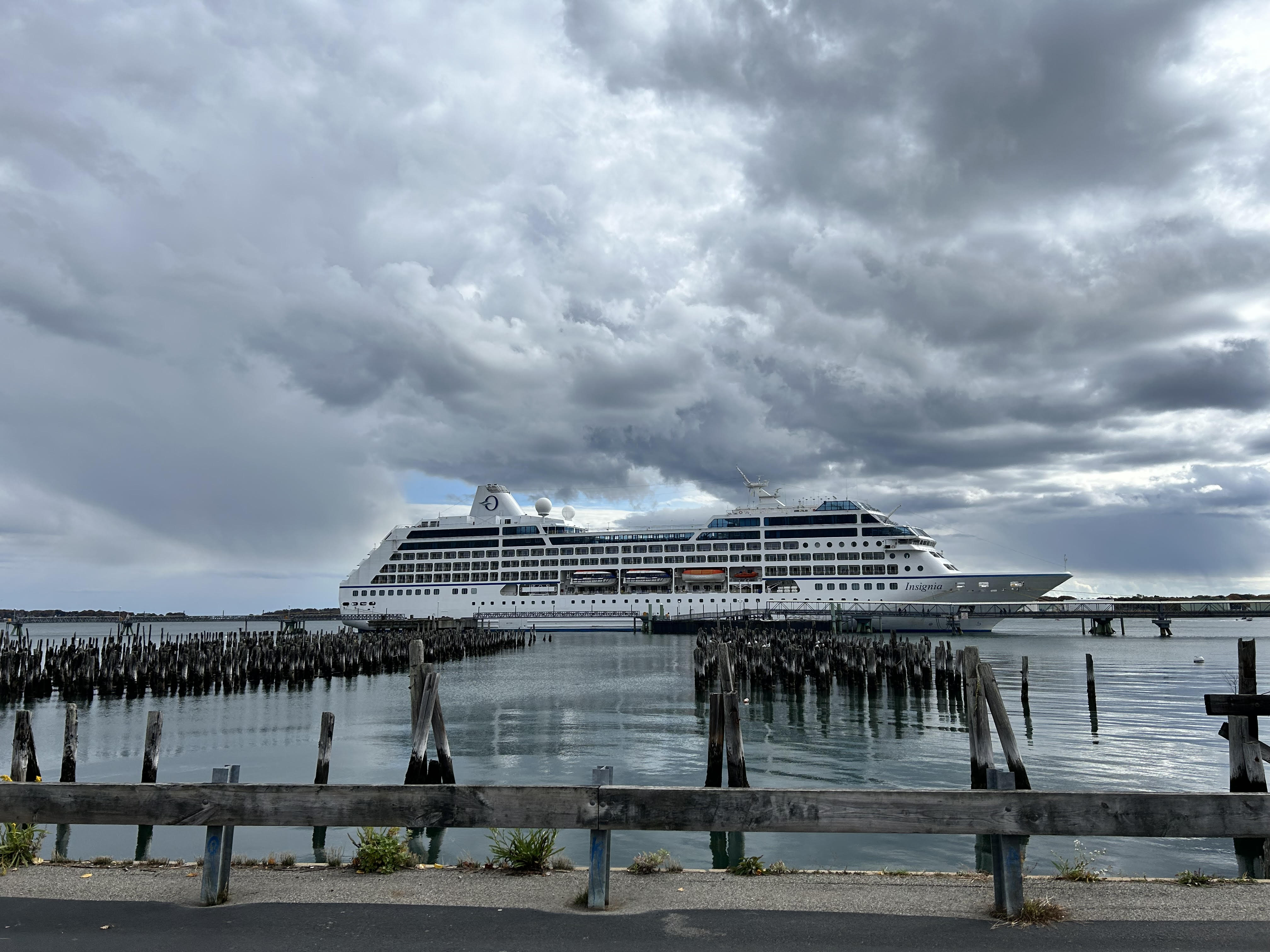
Cruise Ship Infectious Disease Protocol for Portland, Maine
The Problem
Infectious outbreaks on cruise ships pose serious risks to port cities. The combination of close quarters and shared facilities creates ideal conditions for rapid pathogen spread among passengers and crew. Diseases of concern include norovirus, influenza, COVID-19 and measles. When infected individuals disembark—often showing no symptoms—they can spark community outbreaks.
The numbers tell the story: in 2025 there were 23 reported infectious outbreaks on cruise ships that were published by the US Centers for Disease Control (CDC), the highest number ever recorded.
A Critical Loophole
The CDC's Vessel Sanitation Program requires cruise ships to report outbreaks when passengers or crew report gastrointestinal illness symptoms. However, only at the 3% threshold is the illness published, and there are different reporting protocols depending on whether a cruise ship is arriving from a foreign or domestic port. For most cruise ships arriving in Portland, the CDC merely recommends notifying local authorities about outbreaks and deaths.
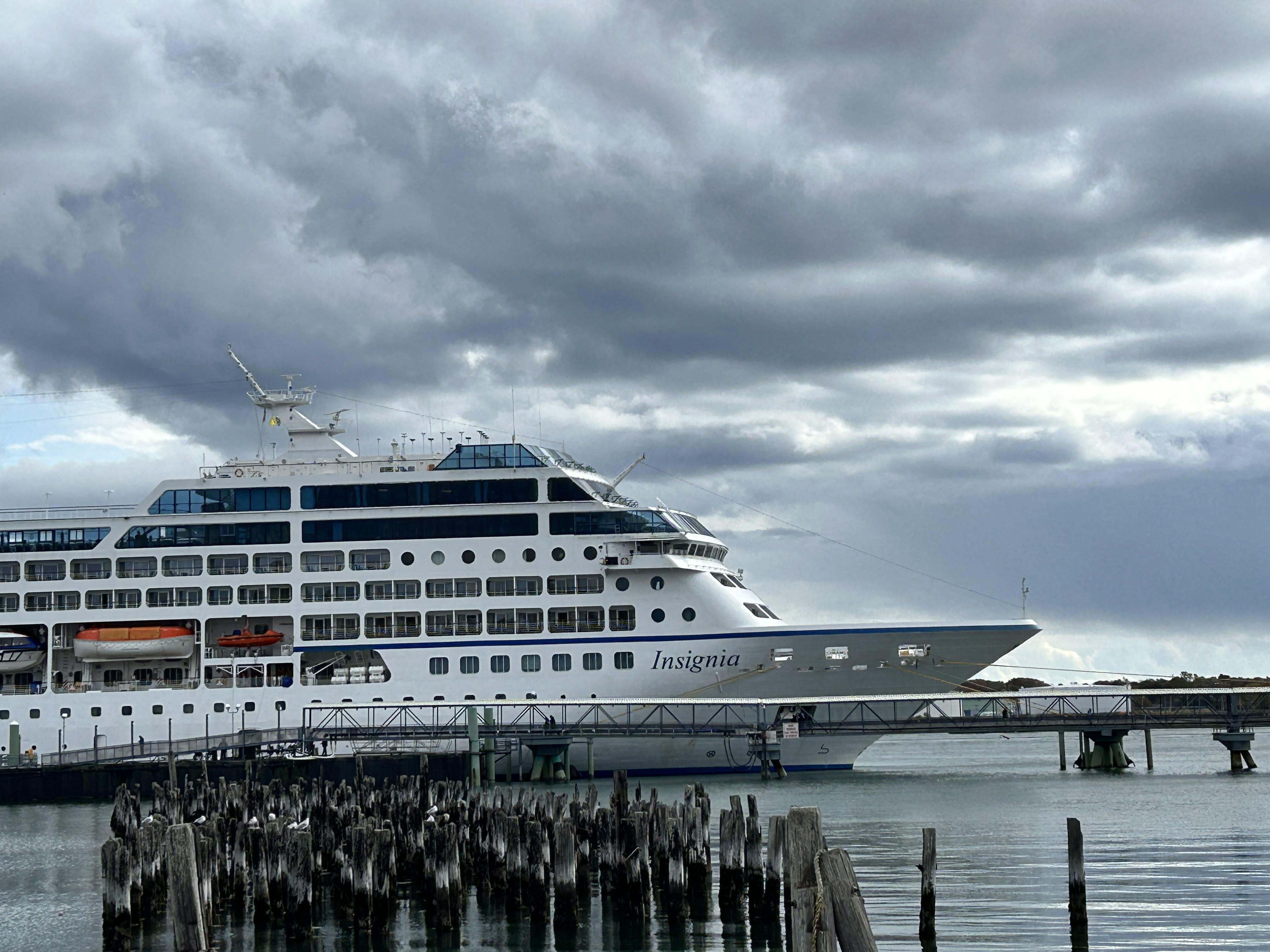
The result? We contacted every responsible agency in Portland—the Maine Port Authority, the local CDC office, the Coast Guard, the Harbormaster, and the Portland Harbor Commission. None were aware of any cruise ship reports regarding outbreaks, onboard deaths, or existing reporting procedures until the arrival of the Oceana Insignia in October, which had reported the highest norovirus rate of any ship in the U.S. for 2025.
Why Portland Is Vulnerable
Several factors compound the risks to of cruise ship outbreaks to Portland:
Hidden infections. Many passengers and crew may be asymptomatic yet contagious. Those who have been sick can remain contagious for up to 2 weeks after their symptoms have resolved.
Economic pressures. Cruise ship officers may downplay or fail to report outbreaks to avoid negative publicity. Passengers may not report illness to avoid cabin confinement or costly medical bills from onboard facilities that don't accept medical insurance.
Novel pathogens. Cruise ships mix individuals from around the world, potentially exposing Portland residents to virus or bacteria strains against which they lack immunity.
Forced disembarkation during outbreaks. Cruise lines may require passengers to disembark for approximately six hours while ships undergo deep cleaning—placing potentially infected individuals in public spaces, stores, restaurants, and transportation. Recent examples include the Sky Princess (January 2025) and Diamond Princess (November 2024).
Strain on healthcare. Multiple cases requiring urgent care could overwhelm Portland's limited healthcare capacity.
Regulatory gaps. Without advance protocols, local officials may downplay arriving infected ships for economic reasons.
Current Response: Inadequate
Consider the recent Insignia incident: The City of Portland's news story noted "only" 8 infected passengers when the ship docked - ignoring that the original 66 patients might still be contagious and that asymptomatic carriers posed transmission risks. The Portland Press Herald noted the CDC confirmed asymptomatic spread, yet the City provided no clear and detailed risk-reduction guidance.
We consulted a physician and distributed prevention flyers to Old Port employees ourselves in an effort to inform them how to minimize their risk. Not one shop we visited was prepared.
Portland has no "sick passenger" or "denial of entry" rules comparable to other port cities. The City's waterfront "Rules and Regulations" document dates from 1985, last updated in 2008—well before ships carrying up to 6,000 occupants began arriving.
Our Proposal
In an era of diminishing federal oversight, local authorities must establish their own public health protections. Portland needs comprehensive communication, health, and safety protocols for cruise ship infectious diseases.
Core principle: When a docked cruise ship experiences an outbreak of any size or requires passenger/crew disembarkation or quarantine due to illness, the public must be alerted.
While contracting a 3-day virus on vacation is unfortunate, infecting workers who cannot afford to miss work is inexcusable when preventive measures are available. Although the CDC characterizes norovirus as a 1–3-day illness with complete recovery, it can require hospitalization and prove fatal for elderly or immunocompromised individuals.
Proposed Protocols
Protocol 1
Mandatory Reporting
For all cruise ships arriving in Portland covering infectious diseases during the current voyage and throughout the cruise season. This must include ships arriving from all ports, domestic and foreign.
Protocol 2
Docking Threshold
Defining criteria when ships are refused entry, with quarantine procedures for infected ships that dock.
Protocol 3
Public Alert System
An opt-in text alert is now available from the City of Portland. Sign up here.
Protocol 4
Health Education
Providing easily accessible guidance on minimizing infection risk for residents, employees, and land tourists.
Protocol 5
Enhanced Sanitation
In public facilities, transportation, and food services frequented by cruise passengers.
Protocol 6
Response Templates
For distributing alerts, and resources after outbreak confirmation.
Protocol 7
Resource Directory
With updated information and emergency contacts.
Protocol 8
Transportation Sanitation
Standards for motor coaches and City Loop buses transporting cruise passengers.
The Path Forward
Preventing cruise ship outbreaks requires collaboration between cruise lines, port authorities, city government, and public health agencies and local citizens. Dynamic cruise schedules demand advance preparation.
Residents, workers, and visitors deserve to know the risks. With information, they can make informed choices—whether to visit the Old Port, wear masks, or take other precautions. Emergency officials can prepare for both incoming sick passengers and potentially infected community members.
This protocol protects our community while maintaining Portland as a welcoming port city.
The full proposal with Appendix A and B is here.
© 2025 Portland Cruise Control. All rights reserved.